




Healthy vs. Processed Food: Which One Fuels Your Body Better?

Ever grabbed a frozen meal or boxed snack because it’s quick and tasty, only to feel tired or unsatisfied afterward? 🤔 It’s not just in your head. These highly processed foods are loaded with extra calories, unhealthy fats, sodium, and added sugars, but they’re often missing the essential nutrients your body needs to feel its best.
You’ve probably heard the advice: “Eat less processed food to stay healthy.” But what does that really mean? And why are these foods so tempting yet so bad for you? It’s not just about the extra pounds—there’s a lot more going on behind the scenes!
In this article, we’ll explore the real differences between healthy foods and highly processed foods. You’ll learn how to spot hidden ingredients, understand why they can be harmful, and find out how to make better choices without giving up convenience. Curious to know if what you’re eating is as healthy as you think? Let’s find out!
What Are Highly Processed Foods? Understanding the NOVA Classification

Did you know that almost everything you eat is processed in some way? Even the simplest foods, like dried beans, go through processing to make them shelf-stable. But here’s the thing: not all processing is bad. In fact, some processed foods are perfectly healthy, while others can harm your health. So, how do you tell the difference? 🤔
To clear up the confusion, researchers from the University of São Paulo, Brazil, created the NOVA classification system. This system divides foods into four categories based on how much they’ve been processed. Understanding these groups can help you make healthier choices without feeling overwhelmed by misleading labels. Ready to find out if what you’re eating is truly healthy? Let’s break down the NOVA groups!
NOVA Group 1: Unprocessed or Minimally Processed Foods
These are the real heroes of a healthy diet. Group 1 foods are either completely natural or have gone through basic processing to increase shelf life or make them safe to eat. This includes methods like roasting, boiling, or pasteurization, but there are no added ingredients like salt or sugar.
Examples:
- Fresh vegetables and fruits 🍏
- Whole grains like brown rice or oats 🌾
- Beans and legumes 🫘
- Nuts and seeds 🥜
These foods retain their original nutrients and are the best choices for supporting your overall health.
NOVA Group 2: Processed Culinary Ingredients
Ever wondered where your olive oil or maple syrup comes from? These are Group 2 foods, made from natural sources or Group 1 foods. They’re mainly used to enhance flavor or cook meals but aren’t typically eaten on their own. Think of them as helpers in the kitchen that make food tastier without drastically changing its nutritional value.
Examples:
- Olive oil and other natural oils
- Maple syrup and honey 🍯
- Salt and sugar
While they’re useful in cooking, it’s best to use them in moderation to keep your meals healthy.
NOVA Group 3: Processed Foods
These are foods made by adding ingredients from Group 2 (like salt, sugar, or oil) to Group 1 foods. The processing enhances flavor, extends shelf life, or makes food more enjoyable, but they still resemble the original ingredients. These foods are generally okay to eat in moderation, but they shouldn’t be the main part of your diet.
Examples:
- Fresh bread 🍞
- Cheese 🧀
- Fruits preserved in syrup
- Canned vegetables
They’re still recognizable as modified versions of whole foods but contain added ingredients that can impact health if consumed excessively.
NOVA Group 4: Ultra-Processed Foods – The Real Culprits
Here’s where the trouble starts. Group 4 foods are highly engineered products designed to be hyper-palatable, super convenient, and cheap to produce. They’re made from substances extracted from foods, combined with additives, preservatives, and artificial flavors to create products that barely resemble real food.
These foods are usually high in:
- Added sugars 🍬
- Unhealthy fats
- Refined grains
- Preservatives and artificial ingredients
Examples:
- Soft drinks 🥤
- Packaged snacks like chips
- Instant noodles 🍜
- Breakfast cereals with added sugars
- Reconstituted meat products (e.g., nuggets and sausages)
Why does this matter?
Consuming too many ultra-processed foods is linked to serious health issues, including:
- Obesity and weight gain
- Heart disease and high blood pressure ❤️
- Type 2 diabetes
- Certain cancers 🎗️
- Mental health issues like depression
Research shows that diets high in ultra-processed foods can lead to chronic health conditions, making it crucial to understand and limit their intake.
Why Should You Care?
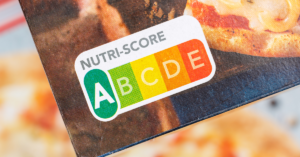
Ultra-processed foods are designed to be addictive and to replace healthier options in your diet. This shift has led to rising chronic diseases worldwide, creating a public health crisis. Some countries are taking action:
- Brazil’s dietary guidelines recommend avoiding ultra-processed foods entirely.
- France set a goal to reduce ultra-processed food consumption by 20%.
These public health strategies highlight the importance of being informed about what you eat. You can learn more about these global initiatives from the Food and Agriculture Organization (FAO).
How to Identify Ultra-Processed Foods
The easiest way to spot them? Read the ingredient list. Look for:
- Unfamiliar ingredients you wouldn’t use at home, like high-fructose corn syrup, hydrogenated oils, or hydrolyzed proteins.
- Cosmetic additives designed to make the food look or taste better, such as artificial colors, emulsifiers, and thickeners.
Takeaway: Make Smarter Food Choices
Understanding the NOVA classification helps you make better decisions at the grocery store. By reducing your intake of ultra-processed foods and choosing more minimally processed options, you can significantly improve your health. Next time you shop, check the ingredient list and choose real foods over processed products.
What’s Really Inside Ultra-Processed Foods?

Ever wondered what makes ultra-processed foods so different from what you’d make at home? 🤔 The secret lies in the additives and ingredients that you’d probably never find in your kitchen. Unlike natural foods, ultra-processed items are packed with substances designed to enhance flavor, color, and shelf life, but they often come at the cost of your health.
Here are some common ingredients found in ultra-processed foods that you’re unlikely to use in your cooking:
- Hydrolyzed proteins: Used to enhance flavor and texture.
- Modified starches: Thickeners that improve texture and stability.
- Hydrogenated oils: Unhealthy fats that increase shelf life but contribute to heart disease.
- Colorants: Artificial dyes that make food look more appealing but can cause allergic reactions.
- Flavorings: Synthetic chemicals that mimic natural tastes.
- High fructose corn syrup: A cheap sweetener linked to obesity and diabetes.
- Artificial sweeteners: Zero-calorie sugar substitutes that can disrupt gut health.
- Bulking agents: Add volume without adding calories or nutrients.
Why Classifying Ultra-Processed Foods Isn’t Always Clear-Cut
Is breakfast cereal always ultra-processed? Not necessarily. The classification of highly processed foods isn’t black and white, and even experts admit that it can be confusing and inconsistent.
For example, in many studies, breakfast cereals are categorized as highly processed. But healthcare experts often disagree if the cereals contain no added sugar and have undergone minimal processing. This shows the complexity of defining what’s truly highly processed.
These variations in classification are why the NOVA system is designed to provide a general idea rather than a strict rule. It helps you understand how manufacturing techniques and ingredient choices determine if a food is minimally processed or ultra-processed.
For more insights, you can check out this study on food classification that explores the challenges of labeling foods as “highly processed.”
Examples of Highly Processed Foods
Now that you know what makes a food highly processed, you’re probably wondering which foods and drinks fall into this category. Here are some of the most common examples of ultra-processed foods that you might find in your pantry or at the grocery store. 🛒
Common Ultra-Processed Foods

According to research, here are some widely consumed ultra-processed foods:
- Sugary beverages: Carbonated soft drinks, sugary coffee drinks, energy drinks, and fruit punch. 🥤
- Packaged snacks: Sweet or savory snacks like chips, cookies, and crackers.
- Sweetened breakfast cereals: Examples include Froot Loops, Trix, Cinnamon Toast Crunch, and sweetened oatmeal packets.
- Baking mixes: Stuffing, cake, brownie, and cookie mixes.
- Reconstituted meat products: Hot dogs, fish sticks, and other processed meat products.
- Frozen meals: Convenience foods like frozen pizza and TV dinners. 🍕
- Instant soups: Powdered and packaged instant soups.
- Candies and confectionery: Chocolate bars, gummies, and other sweet treats. 🍬
- Packaged breads and buns: Including hamburger buns and sandwich bread with long ingredient lists.
- Energy and protein bars: Often marketed as healthy but highly processed.
- Meal replacement shakes and powders: Popular for weight loss but full of additives.
- Boxed pasta products: Instant noodles and flavored pasta mixes.
- Ice cream and sweetened yogurt: Also includes cocoa mixes and flavored dairy products.
- Margarine and ultra-processed spreads: Sweetened cream cheese and other flavored spreads.
Why It’s Hard to Identify Ultra-Processed Foods
It’s not always obvious whether a food is highly processed, which makes it tricky to avoid them. The best way to spot them? Read the ingredient labels.
Ultra-processed foods often contain:
- Artificial colorings and flavorings
- Thickeners and preservatives
- Hydrolyzed proteins
- Sweeteners: Such as fructose, high fructose corn syrup, invert sugar, and maltodextrin.
- Hydrogenated or interesterified oils
- Bulking, foaming, and gelling agents
- Flavor enhancers: Like monosodium glutamate (MSG).
If you’re curious about food additives and want to learn more, check out the United Nations Codex Alimentarius, which keeps an updated list of food additives commonly found in ultra-processed foods.
Summary: The Truth About Ultra-Processed Foods
Ultra-processed foods are typically:
- Low in natural, minimally processed ingredients
- High in calories, salt, unhealthy fats, and added sugars
- Packed with additives like flavor enhancers, colorings, and thickeners
They may taste great and be super convenient, but they often lack essential nutrients and can negatively impact your health if eaten in excess.
Making better food choices starts with understanding what’s in your food. By choosing more whole, minimally processed options, you can improve your health and reduce your intake of harmful additives.
What Are Considered Healthy Foods?
Wondering what truly counts as a healthy food? The answer is simpler than you might think. Healthy foods are generally unprocessed or minimally processed, meaning they’re as close to their natural state as possible. These are often called whole foods because they’re in their original form or have only gone through minimal processing, like washing, peeling, or freezing.
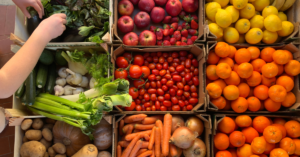
According to research, examples of minimally processed foods include:
- Fresh vegetables and fruits: Whether fresh, frozen, or unsweetened dried produce. 🥦🍎
- Whole grains: Such as brown rice, quinoa, and buckwheat.
- Legumes: Including beans, lentils, and peas.
- Starchy root vegetables: Like potatoes, cassava, and sweet potatoes.
- Meat, poultry, eggs, and fish: As long as they’re fresh and unprocessed. 🍗🐟
- Dairy: Fresh or pasteurized milk and plain yogurt without added sugars.
- 100% fruit or vegetable juice: Without added sugars or preservatives.
- Herbs and spices: To flavor your dishes naturally. 🌿
- Tea and coffee: In their pure form, without sweeteners or additives. ☕
- Nuts and seeds: Ideally raw or lightly roasted without added salt or sugar.
These foods are rich in essential nutrients and antioxidants that support overall health and well-being.
Whole Foods and Minimal Processing
The reason these foods are considered healthy is because they go through little to no processing before reaching your kitchen. They retain their natural vitamins, minerals, fiber, and antioxidants, which are often lost during heavy processing. This keeps them nutrient-dense and low in unhealthy additives.
Items made from whole foods — like granola made with oats, dried fruit, and no added sugar, or polenta made from whole cornmeal — are also considered minimally processed and healthy choices.
Additionally, some oils are derived from whole foods and are considered a healthy option, including:
- Olive oil 🫒
- Avocado oil 🥑
These oils are rich in healthy fats that support heart and brain health.
Nutrient-Dense vs. Healthy: Why Words Matter
Using the term “healthy” to describe foods can sometimes be misleading or even demonize certain processed foods. That’s why many nutritionists prefer the term “nutrient-dense” instead.
Nutrient-dense foods provide a lot of vitamins, minerals, and beneficial compounds relative to their calorie content. For example:
- A homemade vegetable soup with chicken, brown rice, and fresh herbs is much more nutritious than a highly processed canned soup filled with sodium and preservatives.
- A fruit salad made from fresh, whole fruits is more nutrient-dense than a packaged fruit cup loaded with sugary syrup.
This doesn’t mean you need to completely avoid processed foods, but it’s best to focus on whole, nutrient-dense foods for the majority of your diet.
Summary: Choose Nutrient-Dense Foods
Whole, nutrient-dense foods are typically unprocessed or minimally processed, making them a healthier choice compared to ultra-processed foods. They include:
- Fruits and vegetables 🍇🥦
- Whole grains like quinoa and brown rice
- Legumes, nuts, and seeds
- Lean meats, fish, eggs, and dairy
- Natural oils like olive oil and avocado oil
These foods are not only rich in essential nutrients but also free from unhealthy additives, helping you maintain energy, boost immunity, and support overall health.
Tip: Next time you’re grocery shopping, look for foods with short ingredient lists and no added sugars or artificial ingredients. The simpler, the better! 🍏
Main Differences Between Minimally Processed and Highly Processed Foods
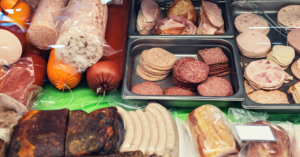
Understanding the key differences between minimally processed and highly processed foods can help you make healthier choices. While both types of foods might appear similar on the surface, their nutritional value and health impacts are vastly different. Let’s break down the main differences to see why it matters.
1. Calories: More Isn’t Always Better
In general, ultra-processed foods tend to be much higher in calories compared to whole, minimally processed foods. This is largely due to the added sugars, unhealthy fats, and refined carbohydrates used to make these foods more palatable and longer-lasting.
For example:
- A 100-gram serving of potato chips contains 545 calories, mainly because of the frying process and added oils.
- In contrast, the same serving size of a plain baked potato has only 95 calories, as it’s just the whole food without added fats.
However, low-calorie doesn’t always mean healthy. Some ultra-processed foods are formulated to be low in calories, particularly those marketed for weight loss. But they often contain artificial sweeteners and other additives, which may not be beneficial for overall health.
When evaluating a food’s healthiness, consider its full nutritional profile, not just the calorie count.
2. Sugar Content: The Hidden Enemy
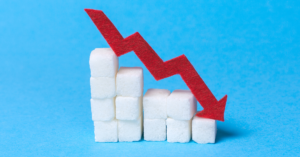
Sweet ultra-processed foods are often loaded with added sugars to make them hyper-palatable. This is why products like sweetened breakfast cereals, packaged baked goods, and sugary beverages can be so addictive.
Manufacturers use various sweeteners, including:
- Cane sugar
- Invert syrup
- High fructose corn syrup
Unfortunately, many of these high-sugar products are marketed to children and adolescents, which raises concerns about long-term health impacts.
For example:
- Cap’n Crunch’s Crunch Berries cereal contains 16 grams of added sugar per 1-cup serving, which equals about 4 teaspoons of sugar.
- In contrast, a breakfast of cooked rolled oats with fresh berries and natural peanut butter contains zero grams of added sugar and provides more fiber, protein, and essential nutrients.
Similarly:
- An 8.4-ounce (248 mL) can of Red Bull has 26.6 grams of sugar—that’s around 6.24 teaspoons of sugar in one small can!
Tip: Check the ingredient list and nutrition facts to identify hidden sugars and make healthier choices.
3. Nutritional Value: It’s Not Just About Calories and Sugar

Ultra-processed foods tend to be lower in fiber, protein, vitamins, and minerals compared to whole foods. However, manufacturers sometimes fortify them with:
- Added fibers
- Protein concentrates
- Vitamins and minerals
For example, weight loss meal replacement bars and energy bars might be high in protein and fiber, but they’re often loaded with artificial sweeteners, colors, flavors, and thickeners.
Additionally, products marketed as:
- “Diet”, “Lite”, or “Low Fat” might be low in fat but high in added sugars or artificial ingredients.
- When fat is removed, sugar is often added to improve taste, making them less healthy than they appear.
Example:
- A low-fat yogurt might have less fat but be high in added sugars and artificial flavors.
- On the other hand, plain Greek yogurt is minimally processed, high in protein, and low in sugar when eaten plain.
When choosing foods, focus on their overall nutrient density rather than isolated nutrients like fat or sugar.
4. Additives and Artificial Ingredients: What’s Really Inside?
Ultra-processed foods typically contain:
- Flavor enhancers: Such as monosodium glutamate (MSG).
- Preservatives: To increase shelf life.
- Artificial colors and flavors: To make foods more appealing.
- Thickeners and stabilizers: For texture and consistency.
- Hydrolyzed proteins and bulking agents: To improve flavor and volume.
These additives are rarely used in home-cooked meals and are mainly added to make foods more palatable and convenient. However, they often lack nutritional value and can be harmful in large quantities.
If you want to learn more about food additives and which ones to avoid, check out the United Nations Codex Alimentarius, which provides an updated list of food additives commonly used in ultra-processed foods.
Summary: Whole Foods vs. Ultra-Processed Foods
Ultra-processed foods tend to be:
- Higher in calories, added sugars, and unhealthy fats.
- Lower in fiber, protein, vitamins, and minerals.
- Packed with artificial additives like flavor enhancers, preservatives, artificial colors, and sweeteners.
In contrast, minimally processed or whole foods are:
- Nutrient-dense, providing essential vitamins, minerals, fiber, and antioxidants.
- Low in added sugars and unhealthy fats.
- Free from artificial additives and closer to their natural state.
When choosing foods, aim for whole, nutrient-dense options as much as possible. Not only are they better for your health, but they also taste better without the need for artificial enhancers.
Should You Avoid Highly Processed Foods?

The short answer: No, you don’t have to avoid them completely. In fact, enjoying your favorite snack or dessert once in a while is perfectly fine and can even contribute to your happiness and social well-being. 🍦🎉
Food is about more than just nutrition. It’s a source of enjoyment, celebration, and connection. Whether it’s sharing a birthday cake or enjoying a movie night with popcorn, these moments add joy to life. The key is moderation.
As long as you mostly eat whole, minimally processed foods, occasional indulgences are perfectly healthy. The problem arises when ultra-processed foods become a regular part of your diet. This can lead to serious health risks over time.
Why Moderation Matters
Frequent consumption of ultra-processed foods—like fast food, sugary snacks, and sodas—has been linked to an increased risk of chronic diseases and a shorter life expectancy. Research consistently shows that people who eat diets high in ultra-processed foods are more likely to develop:
- Heart disease and high blood pressure ❤️ (Source)
- Type 2 diabetes and obesity (Source)
- Certain cancers, including colon and breast cancer 🎗️ (Source)
- Mental health issues like depression and anxiety
These foods are often high in added sugars, unhealthy fats, and refined carbs while being low in essential nutrients. This combination not only leads to weight gain but also increases the risk of inflammation, insulin resistance, and metabolic disorders.
Bottom line: Regularly eating ultra-processed foods can harm your overall health and increase disease risk.
The Power of Whole, Nutrient-Dense Foods
On the flip side, research consistently shows that those who prioritize whole, nutrient-dense foods in their diet tend to live longer and have a lower risk of chronic diseases.
One of the best examples of a health-promoting eating pattern is the Mediterranean diet. This diet emphasizes:
- Vegetables 🥦
- Legumes (like beans and lentils)
- Fruits 🍎
- Fish 🐟
- Healthy fats like olive oil and nuts
The Mediterranean dietary pattern is associated with:
- Longer life expectancy and better overall health (Source)
- Reduced risk of heart disease and stroke (Source)
- Lower rates of Type 2 diabetes and metabolic syndrome (Source)
- Decreased risk of colon cancer, breast cancer, and obesity (Source)
- Mental health benefits (Source)
The Mediterranean diet prioritizes whole foods and minimally processed ingredients, making it an excellent choice for overall health and longevity.
Balance is Key: How to Enjoy Processed Foods Mindfully

The key takeaway is balance, not restriction. You don’t need to completely eliminate highly processed foods to be healthy. In fact, strictly avoiding them can lead to feelings of deprivation and make you more likely to overeat later.
Here’s how to enjoy your favorite treats without compromising your health:
- 80/20 Rule: Eat whole, minimally processed foods 80% of the time, and enjoy treats the other 20%.
- Watch portion sizes: Savor a small portion instead of mindlessly eating a large serving.
- Plan indulgences: If you know you’re having a special dessert, balance it out with healthier meals throughout the day.
- Focus on quality: Choose better versions of your favorite treats, like dark chocolate instead of candy bars or homemade baked goods over packaged snacks.
- Stay mindful: Enjoy your food slowly and without guilt. The goal is to savor the experience while maintaining a balanced diet.
Tip: Make whole, nutrient-dense foods the foundation of your diet and enjoy treats occasionally.
Summary: Should You Avoid Highly Processed Foods?
- No, you don’t have to avoid them completely. It’s okay to enjoy your favorite foods in moderation.
- Balance is key. Prioritize whole, nutrient-dense foods and keep ultra-processed foods as occasional treats.
- The Mediterranean diet is a great example of a balanced, health-promoting eating pattern.
- Focus on long-term habits, not short-term restrictions. Consistency is more important than perfection.
Bottom Line: Enjoying your favorite snack once in a while won’t harm your health, as long as you’re making nutritious choices most of the time. The key is to find a balance that works for you while enjoying food without guilt.
The Bottom Line: Finding Balance with Processed Foods

There’s no denying it—highly processed foods and minimally processed or unprocessed foods are worlds apart. Ultra-processed foods are typically higher in calories, salt, fat, and added sugars while being low in essential nutrients. They also contain a long list of additives like flavor enhancers, thickeners, and preservatives that you wouldn’t find in a home-cooked meal.
On the other hand, minimally processed and whole foods retain their natural nutrients, fiber, and antioxidants, making them a better choice for overall health.
But here’s the good news: You don’t have to cut out processed foods completely to be healthy. In fact, a balanced, nutrient-dense diet can include occasional treats while prioritizing whole, minimally processed foods. It’s about finding the right balance that works for you.
Enjoying Processed Foods Without Compromising Health
A healthy lifestyle is all about moderation, not deprivation. It’s perfectly fine to enjoy your favorite snack foods, candies, or other highly processed foods once in a while—as long as they’re not the mainstay of your diet. The key is to:
- Focus on whole, nutrient-dense foods most of the time, like fruits, vegetables, whole grains, nuts, legumes, and lean proteins.
- Indulge occasionally without guilt, but keep portions in check.
- Balance indulgences with healthier meals throughout the day.
Remember, healthy eating isn’t about perfection—it’s about consistency and balance.
Simple Steps to Cut Back on Ultra-Processed Foods
If you’re currently eating a highly processed diet and want to make healthier changes, start small and focus on one goal at a time. Here’s how to make the transition easier:
- Set Realistic Goals: If you’re eating fast food five days a week, aim to cut back to one or two days.
- Make Simple Swaps: Replace sugar-sweetened sodas with unsweetened drinks or flavored water.
- Plan Ahead: Prepare simple, healthy meals at home to reduce the temptation of fast food.
- Read Labels: Check ingredient lists for hidden sugars, artificial additives, and preservatives.
- Celebrate Progress: Small changes add up. Celebrate each milestone to stay motivated.
Before you know it, you’ll have significantly reduced your intake of ultra-processed foods and improved your overall health.
Final Takeaway: Progress Over Perfection
Building healthy eating habits is a journey, not a sprint. You don’t have to overhaul your diet overnight. Instead, focus on gradual, sustainable changes that make you feel good—both physically and emotionally.
Aim for progress, not perfection. By making small, consistent improvements, you can enjoy the best of both worlds: nutrient-dense, whole foods for optimal health and occasional treats for happiness and balance.
Remember: It’s not about all or nothing. It’s about finding a balance that works for your lifestyle.