




5 Powerful Natural Remedies for Hypothyroidism to Boost Your Health

Struggling with hypothyroidism symptoms and dealing with medication side effects? You’re not alone. While thyroid hormone replacement therapy is the standard treatment, some people explore natural ways to support their thyroid health.
Could a selenium-rich diet, cutting out sugar and gluten, or taking vitamin B supplements and probiotics make a difference? Some studies suggest these may play a role in thyroid function and overall well-being. However, it’s important to remember that natural remedies should complement, not replace, medication. Always check with your doctor before making any changes.
For some, incorporating these natural strategies may help reduce side effects and support overall health. Exploring options that work best for your body can be an empowering step toward better well-being.
Natural Remedies: Supporting Thyroid Health the Right Way
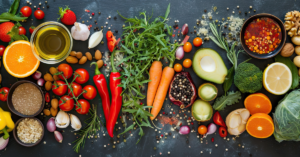
Natural remedies focus on addressing the root cause of thyroid problems rather than just managing symptoms. In many cases, thyroid issues stem from factors like:
- Poor diet
- Chronic stress
- Nutrient deficiencies
Making dietary changes and incorporating herbal supplements may offer additional support for thyroid function. Some people find these options have fewer side effects compared to medication, but it’s important to remember that they are not a replacement for standard treatment.
For individuals who struggle with medication side effects or don’t respond well to thyroid hormone therapy, certain herbal supplements may provide additional benefits. However, the most common cause of hypothyroidism in the U.S.—Hashimoto’s thyroiditis—requires levothyroxine as the primary treatment. This is also true for individuals who have undergone thyroid surgery.
Instead of thinking of natural remedies as an alternative, consider them as complementary additions to your treatment plan. Here are five natural remedies that may help support your thyroid health.
1. Selenium: A Key Nutrient for Thyroid Health
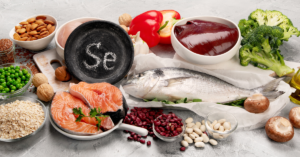
Selenium is a powerful trace mineral that plays a vital role in thyroid function, immune support, and cellular protection. It is a key component of selenoproteins, which help:
- Convert thyroxine (T4) into its active form, triiodothyronine (T3).
- Protect thyroid cells from oxidative stress.
- Regulate the immune system, particularly in autoimmune thyroid disorders like Hashimoto’s thyroiditis.
Best Dietary Sources of Selenium
Selenium is naturally found in a variety of foods, making it easy to meet your daily needs through a balanced diet. Some of the richest sources include:
- Tuna – A seafood powerhouse packed with selenium.
- Turkey – A lean protein source that supports thyroid health.
- Brazil Nuts – One of the most concentrated natural sources (consume in moderation).
- Grass-Fed Beef – A nutrient-dense option high in selenium and essential amino acids.
Selenium’s Impact on Thyroid Health
Your thyroid gland depends on selenium for hormone production and regulation. Research suggests that selenium deficiency is linked to autoimmune thyroid disorders, especially Hashimoto’s thyroiditis—a condition where the immune system mistakenly attacks the thyroid. Some studies indicate that selenium supplementation may help stabilize T4 levels and support overall thyroid function.
Do You Need Selenium Supplements?
While selenium is essential for health, too much or too little can be harmful. Individual needs vary based on diet, lifestyle, and underlying health conditions. Before taking a supplement, it’s best to consult your healthcare provider to determine the right amount for you.
For more details, check out the NIH Selenium Factsheet for Health Professionals.
2. The Link Between a Sugar-Free Diet and Thyroid Health

Can cutting out sugar improve thyroid function? Many people don’t realize that sugar and processed foods can trigger chronic inflammation, which may disrupt thyroid hormone conversion and worsen symptoms of hypothyroidism.
How Sugar Affects Thyroid Function
- Inflammation slows down T4-to-T3 conversion – The body needs to convert thyroxine (T4) into triiodothyronine (T3), the active thyroid hormone. Excess sugar can contribute to inflammation, making this process less efficient.
- Blood sugar spikes lead to energy crashes – Sugar gives a temporary energy boost, but once it wears off, fatigue sets in, making hypothyroid symptoms feel worse.
- Sugar impacts stress and skin health – High sugar intake can worsen stress levels and contribute to skin issues like breakouts and dullness.
Why Consider a Sugar-Free Diet?
Switching to a low-sugar or sugar-free diet may help:
✅ Improve thyroid function by reducing inflammation.
✅ Regulate energy levels and prevent crashes.
✅ Lower stress levels and promote overall well-being.
✅ Enhance skin health by reducing breakouts and dullness.
Adopting a sugar-free lifestyle isn’t easy, but small, consistent changes—like reducing processed foods and opting for whole, nutrient-dense meals—can make a noticeable difference in thyroid health and daily energy levels.
3. Vitamin B: A Key Nutrient for Thyroid Support
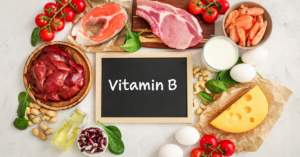
Did you know that thyroid dysfunction—especially hypothyroidism—can deplete your vitamin B levels? Low levels of thyroid hormones may lead to a deficiency in vitamin B-12, which can contribute to fatigue, nerve damage, and cognitive issues.
How Vitamin B Supports Thyroid Health
- Vitamin B-12 combats fatigue – Many people with hypothyroidism experience chronic tiredness, and B-12 may help improve energy levels.
- Vitamin B-1 plays a role too – Thyroid disease can also lower vitamin B-1 (thiamine), which supports nerve function and metabolism.
- Cellular repair and brain function – B vitamins are essential for red blood cell formation, nervous system health, and energy production.
Best Food Sources of B Vitamins
You can boost your vitamin B intake naturally by adding these nutrient-rich foods to your diet:
🥦 Peas and beans – Excellent plant-based sources of B vitamins.
🌱 Asparagus – Rich in folate, which supports cell growth and function.
🌻 Sesame seeds – A great source of vitamin B-1 and essential minerals.
🐟 Tuna – High in B-12, supporting metabolism and brain health.
🧀 Cheese & Milk – Dairy provides B-12 and riboflavin for energy production.
🥚 Eggs – A versatile source of B-12 and other essential B vitamins.
Do You Need a Vitamin B-12 Supplement?
Vitamin B-12 is generally safe for most individuals when taken at recommended levels. However, everyone’s nutritional needs are unique, so it’s best to consult your doctor to determine the right amount for you.
Focusing on vitamin B intake can be a simple yet powerful step toward better thyroid health, improved energy, and overall well-being.
4. Probiotics and Hypothyroidism: The Gut-Thyroid Connection
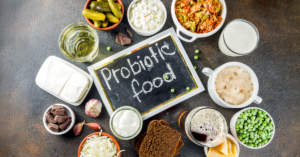
Did you know that hypothyroidism can impact gut health? Research published in the Indian Journal of Endocrinology and Metabolism (DOI: 10.4103/2230-8210.131155) suggests that reduced gut motility in hypothyroid patients may contribute to small intestinal bacterial overgrowth (SIBO). This overgrowth can lead to bloating, diarrhea, malabsorption, and chronic digestive discomfort.
How Probiotics Can Support Thyroid and Gut Health
Probiotics—live beneficial bacteria—help restore gut balance, improve digestion, and may even support thyroid function. Certain probiotic strains, such as Bacillus clausii, have been studied for their potential to:
✔ Reduce bacterial overgrowth in the small intestine.
✔ Normalize gut flora and ease bloating and diarrhea.
✔ Enhance nutrient absorption, particularly vitamin B-12, which is often depleted in hypothyroid patients.
Natural Sources of Probiotics
You don’t always need supplements—probiotics are naturally found in fermented foods and drinks, including:
🥛 Yogurt – Contains beneficial strains like Lactobacillus and Bifidobacterium.
🥤 Kefir – A probiotic-rich fermented milk drink that supports gut health.
🍵 Kombucha – A fermented tea packed with live cultures.
🧀 Fermented Cheeses – Some aged cheeses like Gouda and cheddar contain probiotics.
🥬 Sauerkraut & Kimchi – Fermented vegetables loaded with gut-friendly bacteria.
Should You Take a Probiotic Supplement?
While probiotics are widely available in supplement form, the U.S. Food and Drug Administration (FDA) has not approved them for the treatment of any condition. Their effectiveness depends on the strain, dosage, and individual gut health.
If you have hypothyroidism or digestive issues, it’s best to consult your doctor before adding probiotics to your routine. The right probiotic strain may help improve digestion, reduce inflammation, and enhance thyroid function—but individual results can vary.
The Bottom Line
Supporting gut health with probiotics may be a simple yet effective way to improve digestion, boost nutrient absorption, and support thyroid function. Whether through diet or supplements, maintaining a healthy gut microbiome can be a key step toward better overall health.
5. Gluten-Free Diet: Is It Beneficial for Thyroid Health?
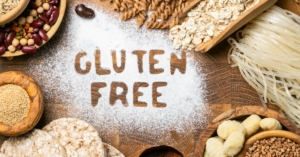
For many people with hypothyroidism, adopting a gluten-free diet isn’t just a trend—it’s a personal choice rooted in health concerns. According to the National Foundation for Celiac Awareness (Beyond Celiac) (source), a significant number of individuals with thyroid disease also have celiac disease.
The Connection Between Gluten and Thyroid Disease
Celiac disease is an autoimmune disorder where gluten—a protein found in wheat, barley, and rye—triggers an immune response that damages the small intestine. Interestingly, autoimmune thyroid conditions like Hashimoto’s thyroiditis and Graves’ disease share genetic and immune system links with celiac disease. This means that people with thyroid disorders are at a higher risk of undiagnosed celiac disease.
While research does not support a gluten-free diet as a primary treatment for thyroid disease, some people with Hashimoto’s thyroiditis and hypothyroidism report feeling less fatigued, less bloated, and more energetic after eliminating gluten. This could be due to:
✔ Reduced gut inflammation
✔ Improved nutrient absorption (especially B-12 and iron, which are often deficient in hypothyroid patients)
Potential Drawbacks of a Gluten-Free Diet
Before making the switch, it’s important to consider some challenges:
🚨 Higher Costs – Gluten-free foods are often more expensive than their wheat-based alternatives.
⚠️ Nutritional Gaps – Many prepackaged gluten-free products contain more fat, sugar, and less fiber than whole wheat options.
❗ Unnecessary Restrictions – If you don’t have celiac disease or gluten sensitivity, eliminating gluten may not provide significant benefits and could limit food variety unnecessarily.
Is Going Gluten-Free Right for You?
If you have both celiac disease and a thyroid disorder, a strict gluten-free diet is essential to prevent further autoimmune complications. However, if you have only hypothyroidism, the decision to eliminate gluten should be based on personal symptom relief and nutritional balance.
If you’re considering a gluten-free diet for thyroid health, consult with a doctor or registered dietitian to ensure you’re getting the right nutrients while avoiding potential deficiencies.
The Takeaway: Finding the Right Approach for Your Thyroid Health

A holistic approach to thyroid health—combining medication with natural remedies—can offer significant benefits for many individuals. Supporting your thyroid function with the right nutrients, lifestyle changes, and gut health improvements may help alleviate symptoms and enhance overall well-being.
However, natural remedies should complement—not replace—thyroid medication, especially for those with severe hypothyroidism, post-surgical thyroid removal, or autoimmune thyroid disorders like Hashimoto’s thyroiditis. While dietary modifications, probiotics, and key nutrients like selenium, vitamin B-12, and probiotics may support thyroid function, they are not a cure.
Before making any dietary or supplement changes, it’s essential to consult with your healthcare provider. Everyone’s thyroid health journey is unique, and finding a plan that fits your specific needs is the key to long-term wellness.
By focusing on scientifically backed strategies, making informed choices, and listening to your body’s needs, you can take meaningful steps toward better thyroid health, energy levels, and overall vitality.